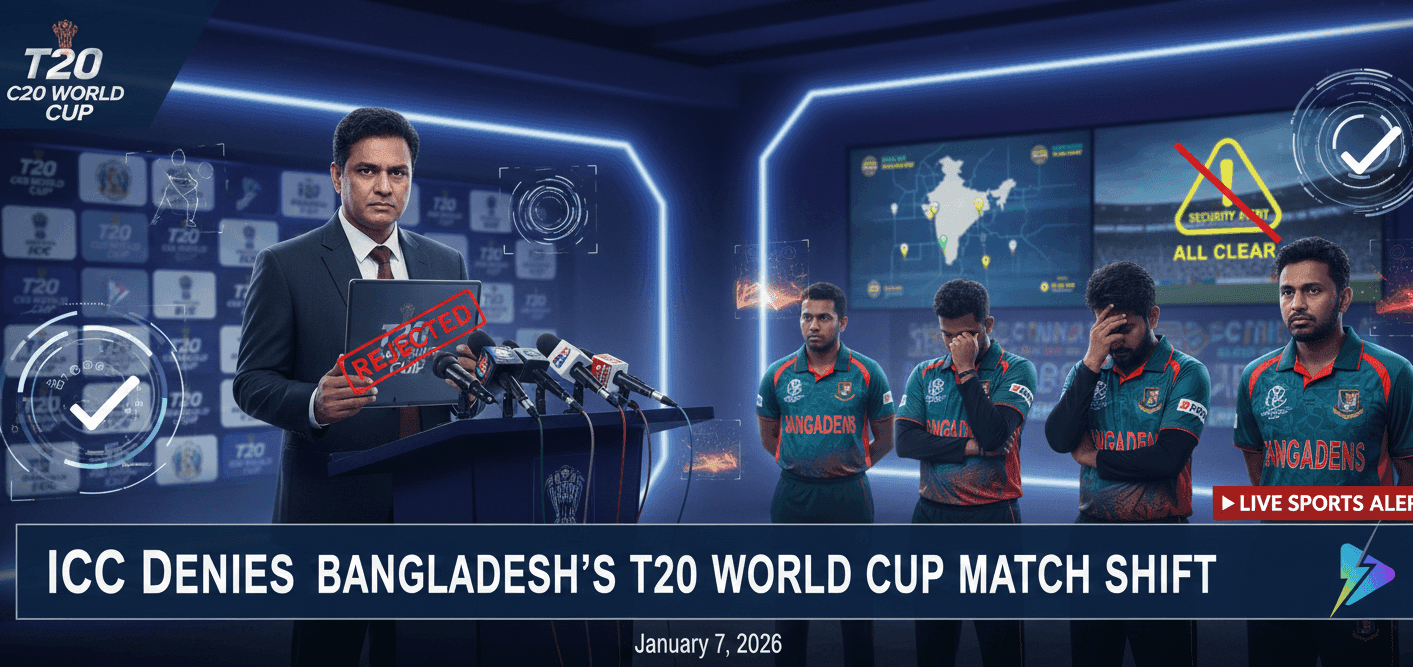
ICC Denies Bangladesh's T20 World Cup Match Shift
January 7, 2026
Explore the factors behind the ICC’s decision to deny the Bangladesh Cricket Board’s plea to move their matches out of India. Analyze security concerns, the negotiation timeline, and the broader impact on the tournament’s organization and integrity.
The world of cricket is never short of drama, and the latest headline-stealer is the T20 World Cup Security Stand-off. If you’re a cricket fan, especially one who follows major tournaments closely, you’ve probably noticed the recent stir about security arrangements ahead of the Men’s T20 World Cup starting February 7, 2026. The big news? The ICC has officially rejected the Bangladesh Cricket Board's (BCB) request to move their matches out of India, citing several key reasons. So what fueled this high-stakes decision, and what does it mean for the teams, the fans, and the integrity of international cricket?
Why the T20 World Cup Security Stand-off Hits Home
This isn’t just administrative back-and-forth. Sports, and especially cricket, is woven deep into the fabric of countries like Bangladesh and India. It’s not just about boundaries and runs—it’s about national pride, family weekends, late-night discussions, and shared moments. When stories like the T20 World Cup Security Stand-off make headlines, it isn’t only about who plays where, but also if everyone involved truly feels safe, and if the beloved tournament can be enjoyed without worries playing on anyone’s mind.
For Bangladesh fans, the security of their players is deeply personal. For Indian fans, hosting the event is a matter of pride—and expectations are high that their country can deliver on both safety and hospitality. For the broader cricketing world, how governing bodies like the ICC handle these kinds of disputes sets the tone for future tournaments. It’s a reminder that sport is as much about trust as it is about competition.
The Roots of the T20 World Cup Security Stand-off
The standoff began when the Bangladesh Cricket Board voiced serious security concerns ahead of the 2026 Men’s T20 World Cup. The BCB formally requested to relocate Bangladesh’s matches out of India, highlighting worries over player safety and crowd management. Their reasoning? Past political tensions and security incidents have sometimes marred high-profile sporting events in the region.
However, the ICC has officially rejected the Bangladesh Cricket Board’s request, asserting that India can guarantee the necessary security protocols for all teams.
Timeline: From Negotiation to Decision
Understanding how this situation escalated can help us see both sides of the debate:
- Early Requests: The BCB’s concerns were flagged early, well before teams began formal prep. They asked for clear assurances and even floated neutral venues for Bangladesh’s group-stage games.
- ICC Assessment: The ICC launched its own security reviews, working with local government, police, and international agencies. This assessment found “robust” measures already in place, similar to those used in previous tournaments.
- The Final Word: In a recent statement, the ICC said the system already “meets or exceeds international security standards,” dismissing the need for relocation. They assured “equal care” for each competing nation.
Why the ICC Said No: Weighing Security, Fairness, and Precedent
Rejecting a request like this isn’t just about ignoring concerns. Here’s what factored into the ICC’s response:
- Security Infrastructure: India has successfully hosted large international events, including the 2023 ICC Men’s Cricket World Cup, with minimal incidents. The ICC referenced these events as evidence that proven security frameworks exist and are effective.
- Scheduling Integrity: Relocating matches could disrupt schedules, logistics, and ticketing, causing confusion for teams and fans alike. It would also open the door for future requests, complicating tournament planning across the board.
- Equality Among Teams: Granting special treatment to one team sets a tricky precedent. The ICC emphasized maintaining a level playing field, where all sides face the same conditions and challenges.
What This Means for Teams, Fans, and the Tournament
This T20 World Cup Security Stand-off is about more than cricket – it’s a test case for how sporting bodies handle sensitive cross-border issues. Here’s the impact you might notice:
- Player Preparation: Bangladesh’s squad will need to trust the system and focus on performance, pushing aside any lingering unease.
- Fan Experience: The assurance of robust security could put many attendees at ease. But for some, doubts may linger, especially those traveling long distances for matches.
- ICC’s Reputation: How well the event is managed—and if it runs safely—will shape fans’ and players’ faith in the ICC for years to come.
How to Stay Informed and Safe: Tips for Cricket Fans
If you’re planning to attend the T20 World Cup in 2026, a bit of preparation can go a long way in making your experience smooth and secure:
- Keep an eye on official communication from the ICC and local authorities. Regular updates are usually available before and during the tournament.
- Follow stadium guidelines for what you can or can’t bring to matches, and never ignore on-ground security advice.
What to Look For When Choosing a Match to Attend
Thinking about catching a game in person? Before booking those tickets, check for:
- Venue Reputation: Choose stadiums known for smooth crowd management and strong reviews from past visitors.
- Accessibility and Transport: Ensure you have reliable transport options and backup plans for getting to and from the venue.
Wrapping Up: Integrity, Trust, and the Way Forward
This latest chapter—a T20 World Cup Security Stand-off and the ICC’s official stance against relocating Bangladesh’s matches—reminds us that cricket is about much more than sport. At its core, it’s about upholding the trust of players, fans, and nations.
So as fans get ready for another whirlwind T20 World Cup in 2026, the best step you can take is to stay informed and be prepared—whether that’s supporting your side from the stands or from your living room. Keep an open line to official sources, know the rules, and don’t let off-field controversies spoil your love for the game.
What do you think? Should the ICC have agreed to Bangladesh’s request, or did they make the right call for cricket’s integrity? Join the conversation—because the spirit of the game belongs to all of us.